menuclose
Our story

It Started With Patients Who Gave Up.

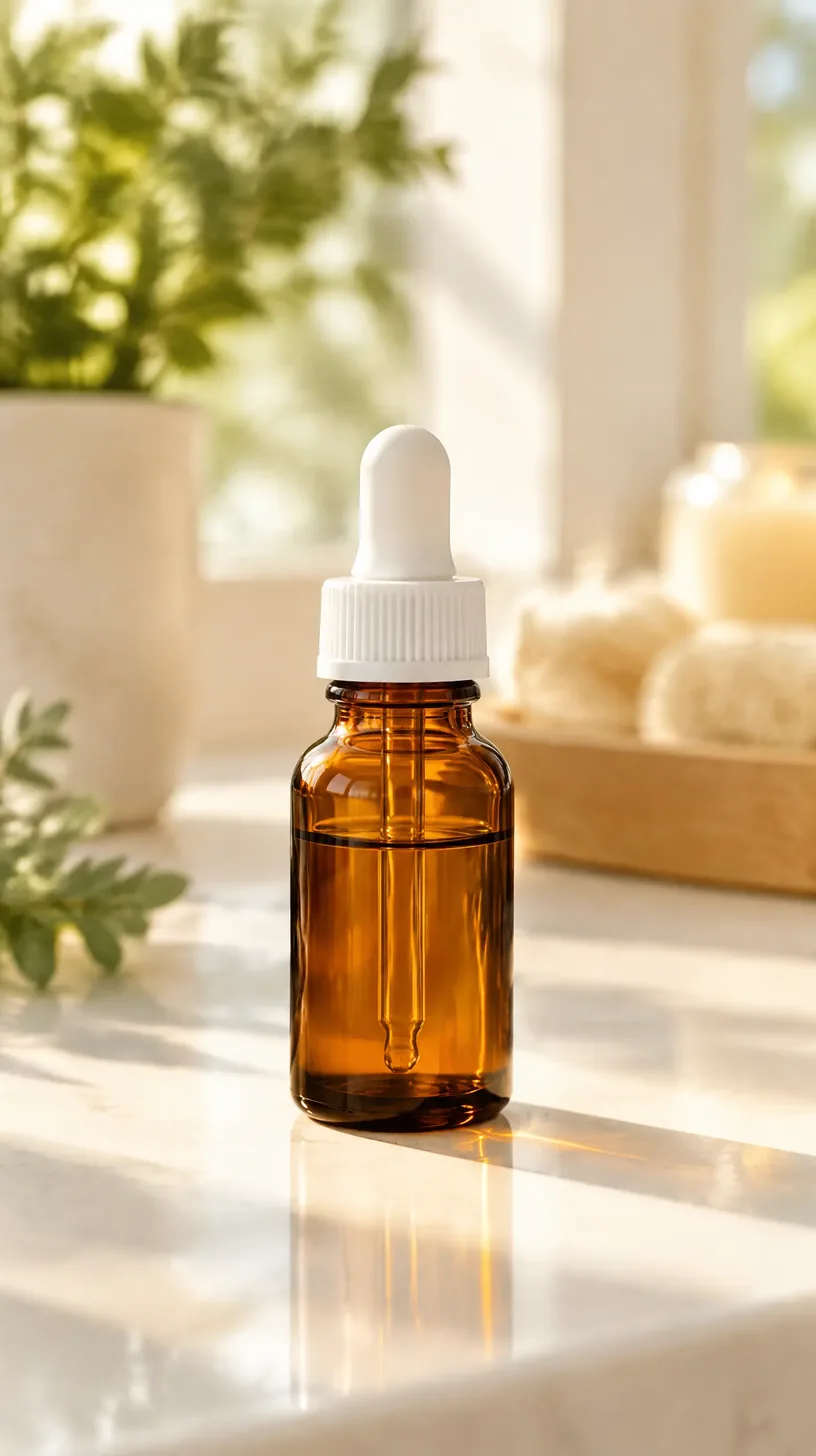
In private practice, our founder watched allergic patients choose misery over twice-weekly shots.Antihistamines and decongestants masked symptoms and brought side effects. Allergy shots treated the cause, but they took a year to work and demanded office visits twice a week. Many patients simply stopped coming.Sublingual immunotherapy, drops of the same antigen taken under the tongue, was already common in Europe. He began prescribing it in 1985, one of the first physicians in the country to do so broadly.Patients took the drops daily at home, so results came faster and compliance held. In 1995 he started AllergyEasy to share the program with other doctors and their patients.
What makes us different

One Serum, Built For Real Life.

Comprehensive, not minimalMost programs treat a handful of local allergens. Ours covers the major pollens of the world plus molds, dust and dander, 60+ antigens in one mix.
Food allergies tooA separate food serum covers 59 food antigens. Few programs in the country actively treat food allergy.
Prescribed by your own doctorPrimary care physicians, pediatricians and specialists prescribe through our network, so you do not need an allergist referral.
Drops · Not Shots · Taken At Home
Why comprehensive

Allergy Tests Miss Things. The Serum Does Not.

Allergies change with age and geography, and skin tests return false negatives more often than people expect.A serum mixed only to a test result can miss the allergen doing the damage. Our comprehensive serum fills those gaps, so protection holds whether you travel, move or develop new sensitivities over time.That is also why some patients respond well on the drops after years of limited results on shots mixed to a narrow panel.
Questions

About AllergyEasy

Is AllergyEasy a clinic?No. AllergyEasy is a treatment program. Participating physicians test and prescribe, and a licensed compounding pharmacy prepares and ships your drops.
Where are you located?Our team serves patients and practices across the United States. Reach us at (480) 827-0038 or through the contact page.
How long have the drops been in use?Sublingual immunotherapy has been in popular use since the mid-1980s and accounts for a large share of allergy treatment in Europe. Our founder has prescribed it since 1985.
Ready To Be
DoneWith
Allergies?
Tell AllergyEasy about your allergies in a few minutes. We will tell you whether sublingual immunotherapy fits, and connect you with a prescribing provider near you.
Get Started
Are you a provider?Learn more →
The safety profile

Same Antigens, Different Route.

The drops contain the same natural allergen extracts used in shots, in a saline base, absorbed through the mouth rather than injected.That route is what changes the risk. Serious systemic reactions to sublingual immunotherapy are rare in the published literature, which is why guidelines and decades of European practice support dosing at home without observation.Typical side effects are mild and local: itching or tingling under the tongue in the first weeks, occasionally a mild stomach upset. They usually fade as the body adapts.
Who can take them

Broader Than Shots.

Young childrenShown safe under age five; most start around three. Shots are usually withheld until seven or eight.
Asthma patientsUncontrolled asthma rules out shots. Many of these patients can take drops, with their asthma managed alongside.
PregnancyThe drops have been reported safe in pregnancy. Your prescribing provider makes the decision with you.
Prescription Only · Compounded To Order
Taking them safely

Three Habits.

01
Build the dose graduallyThe schedule starts low and rises over weeks. Do not skip ahead.
02
Pause when unwellHold the drops during a fever, a mouth ulcer or dental work, and resume when your provider says.
03
Call before restartingMissed a day? Continue. Missed more than a week? Call so the dose can be adjusted.
Questions

Safety Questions

Can the drops cause anaphylaxis?It is very rare with sublingual dosing. Patients with a history of severe reactions should still have epinephrine available and discuss it with their provider.
Are there drug interactions?Beta blockers and some other medications matter for any immunotherapy. Tell your provider everything you take, including supplements.
What is in the serum besides antigens?Saline, and a small amount of glycerin as a stabilizer. No preservatives beyond what the pharmacy requires for stability.