menuclose
What we treat

By Trigger.

One comprehensive serum covers most of what you breathe; a second covers the common foods.
The pattern

Same Immune Mistake, Different Address.

Every allergic condition starts the same way: the immune system treats something harmless as a threat and releases histamine to fight it.Where that inflammation lands decides the diagnosis. In the skin it is eczema or hives. In the mouth it is oral allergy syndrome. In the airways it is asthma. In the sinuses it is one infection after another.Creams, inhalers and antibiotics treat the address. Immunotherapy treats the mistake.
Ready To Be
DoneWith
Allergies?
Tell AllergyEasy about your allergies in a few minutes. We will tell you whether sublingual immunotherapy fits, and connect you with a prescribing provider near you.
Get Started
Are you a provider?Learn more →
Can candles cause allergies

Hundreds Of Chemicals In One Scent.

Yes, candles can cause allergy symptoms. A synthetic pine or pumpkin scent blends hundreds of compounds, and any one can set off a reaction.Roughly 20 percent of people report symptoms from scented products. Among people with asthma it is closer to 30 percent. Paraffin wax, a petroleum product, adds its own irritants when it burns.Symptoms look like hay fever: sneezing, congestion, itchy eyes, sinus pain, headaches, and in some people hives, eczema flares or wheezing.
Enjoy the glow anyway

Candles That Are Easier To Live With.

Unscented or flamelessAll the ambience, none of the emissions. LED candles also solve the wax and the fire risk.
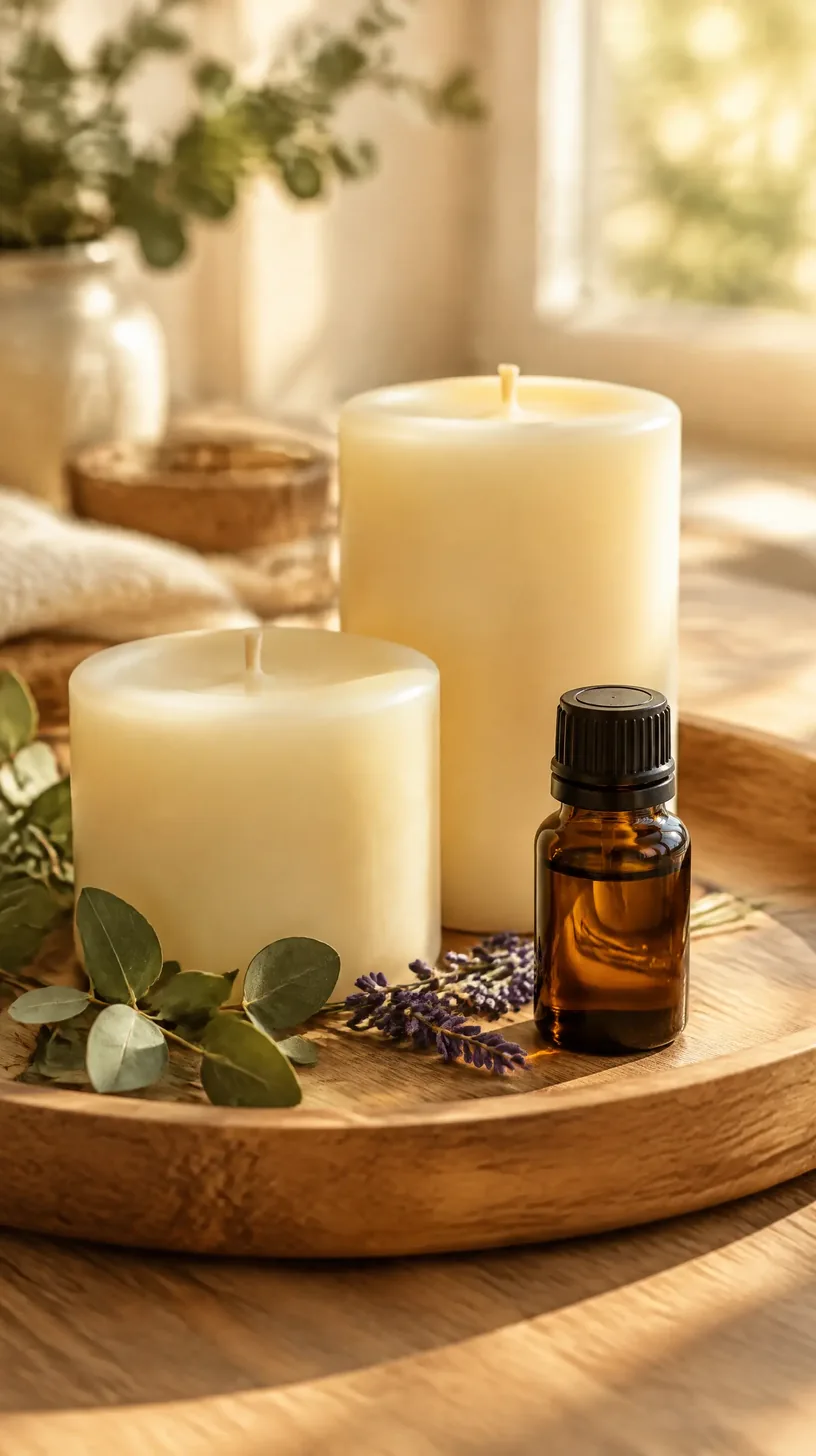
Beeswax or soy, cotton wickThey burn cleaner than paraffin and release far fewer chemicals. Expect to pay more.
Single-note, plant-based scentsOne essential-oil scent is easier to tolerate than a blend, and easier to test by elimination.
Open A Window · Skip The Air Freshener Too
Fragrance and dye everywhere

Detergent, Shampoo, Hair Dye, Candy.

About 5,000 fragrance compounds are used in products today, and dyes like Red 40 and Yellow 5 have their own track record of hives and swelling.Switching to unscented versions is the fastest test. If the rash or headache stops, the fragrance was the problem. At work, say so plainly and ask for a candle-free area; most people have simply never heard of fragrance allergy.There is no approved test for dye allergy, so a food and product journal is the practical tool.