menuclose
Hay fever and beyond

More Than A Runny Nose.

Allergic rhinitis is the sneezing, congestion and itchy eyes most people call hay fever. The inflammation does not stop at the nose.Swollen sinus tissue blocks drainage and breeds one sinus infection after another. Inflamed eyes burn and itch, a condition called allergic conjunctivitis. Post-nasal drip drives a chronic cough and sore throat. Nasal polyps and chronic fatigue follow in some patients.Antibiotics clear the infection; the inflamed sinuses stay. Treat the allergy and the cycle stops.
Why comprehensive

Most People Are Allergic To Several Things.

Season after seasonTrees in spring, grass in summer, ragweed in fall, mold and dust all winter. Treating one leaves the others.
Tests miss thingsFalse negatives are common. A serum mixed only to a test result can skip the allergen doing the damage.
Life movesOur serum covers the major pollens of the world plus molds, dust and dander, so it still works after a move or on a trip.
60+ Antigens In One Daily Dose
Questions

Environmental Allergies

Do the drops work for sinus infections?When recurring infections come from allergic inflammation, yes. Gordon had decades of infections, shots and a sinus surgery behind him and felt like his twenties within a month on the drops.
What about itchy eyes?Allergic conjunctivitis responds as the overall allergy is treated. Antihistamine eye drops can bridge the first weeks.
How soon will I notice?Most patients report relief within 3 to 12 weeks, and the first full pollen season on treatment is usually the convincing one.
Ready To Be
DoneWith
Allergies?
Tell AllergyEasy about your allergies in a few minutes. We will tell you whether sublingual immunotherapy fits, and connect you with a prescribing provider near you.
Get Started
Are you a provider?Learn more →
The calendar

Which Pollens Strike When.

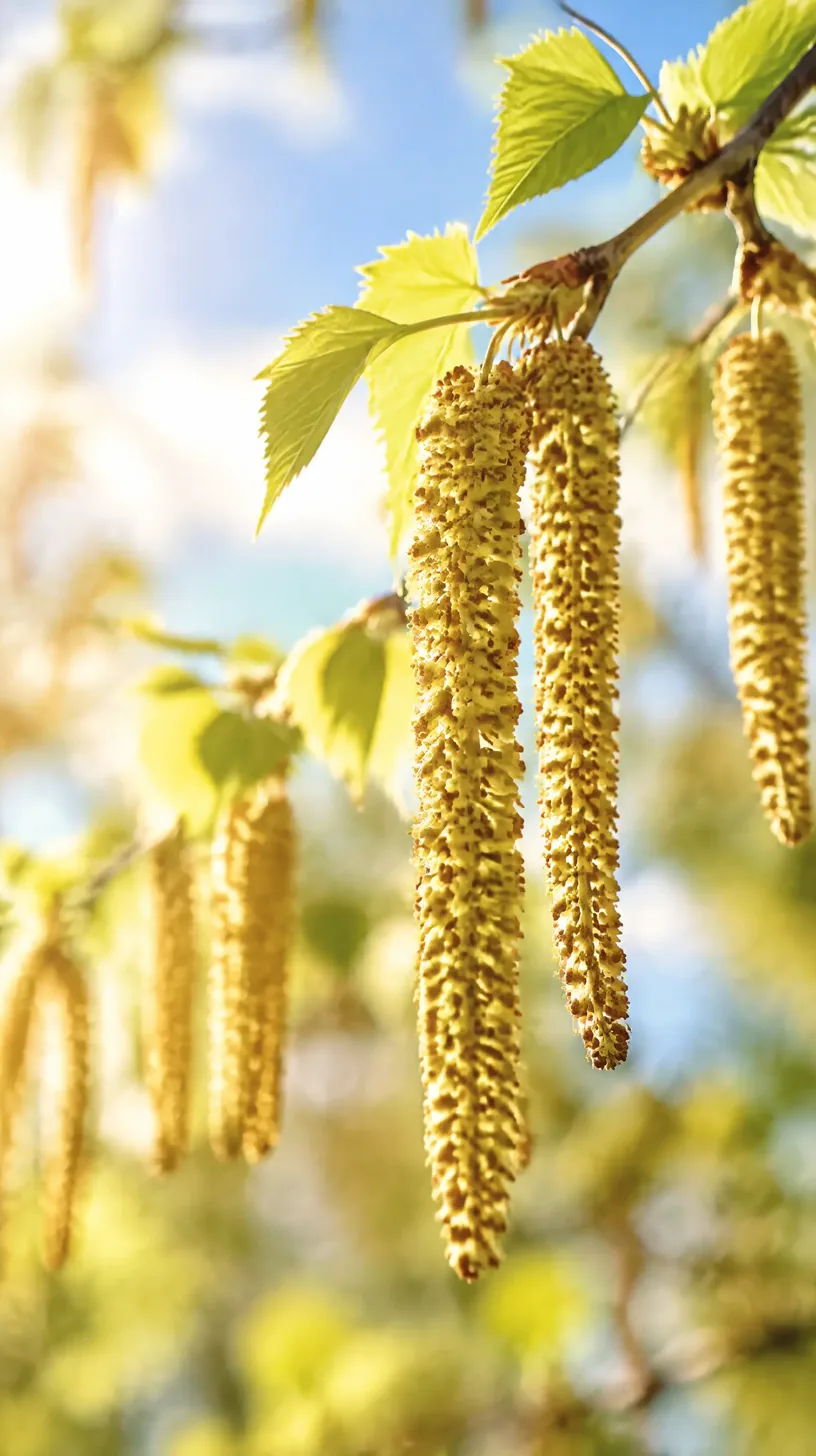
Spring: treesBirch, oak, ash, elm, cedar, mesquite, olive and mulberry. In Texas and the Southwest, mountain cedar and juniper pollinate through winter.
Summer: grassBermuda, timothy and northern grasses. Mowing, sports fields and warm windy days are the worst.
Fall: ragweedEarly August to mid-October. One plant sheds a billion grains, and they have been found 400 miles out to sea.
A Moderate Freeze, 25 To 28 Degrees, Ends The Season
The pollen count

What The Number Actually Tells You.

A count is grains per cubic meter of air, collected the day before. It is a rough guide, not a forecast for your street.Counts are useful for planning: a high tree-pollen day is a day to keep windows closed, shower before bed and run the HEPA filter. They say nothing about which pollen you react to, which only testing reveals.Climate research shows North American pollen seasons have lengthened about 20 days since 1990 with about 21 percent more pollen. Avoidance is a shrinking strategy.
Fruit and pollen

When Pollen Shows Up In Your Mouth.

If apples or melon make your mouth itch in pollen season, that is the same allergy.Proteins in many fruits, vegetables and nuts resemble birch, grass and ragweed pollen closely enough to trigger oral allergy syndrome. Treating the pollen allergy usually quiets the food reaction as well.Grass-allergic athletes get a second benefit: fewer wheezing episodes on the field.