menuclose
The problem

Food Allergy Doubled In A Generation.

Food allergies in children rose 50 percent between 1997 and 2011. About one child in thirteen now has one, two per classroom.Eight foods cause 90 percent of reactions: milk, egg, peanut, tree nuts, soy, wheat, fish and shellfish. The immune system mistakes their proteins for invaders and floods the body with histamine.Until recently the only advice was avoidance: read every label, fear every potluck, carry epinephrine. Avoidance manages risk. It does not change the allergy.
Why drops and not shots

The Treatment Shots Cannot Offer.

Injecting food allergens is not considered safe, so allergy shots have never been a food allergy treatment.Sublingual immunotherapy delivers tiny daily doses under the tongue, where specialized cells teach tolerance with a far lower risk of serious reaction. Studies have found it safe and effective for milk, egg, wheat, nut and other food allergies.Our food serum covers 59 foods in one bottle, prescribed by a participating physician and compounded to order. Few programs in the country offer it.
Beyond hives

Food Allergy Hides In Other Diagnoses.

Stomach problemsCramps, gas, diarrhea and bloating labeled irritable bowel are often histamine inflaming the gut after a trigger food.
Eosinophilic esophagitisTrouble swallowing and heartburn that antacids do not touch. An allergic disease, usually food-driven, often mistaken for reflux.
Eczema and asthmaUp to 40 percent of severe eczema patients have food allergies, and food triggers can drive wheezing too.
Treat The Allergy · Not Just The Symptom
The treatment path

How Food Allergy Treatment Works.

01
Identify the foodsA food allergy skin test at a participating practice, or a careful history, shows which proteins you react to.
02
Start low, build slowlyDaily drops begin at a tiny dose and rise over weeks so the immune system adapts without drama. Keep avoiding trigger foods until your provider says otherwise.
03
Reintroduce with guidanceJane, allergic to wheat, milk, egg and tomato for life, added milk back within months. The cramping was gone.
Peanut

A Legume That Acts Like A Nut.

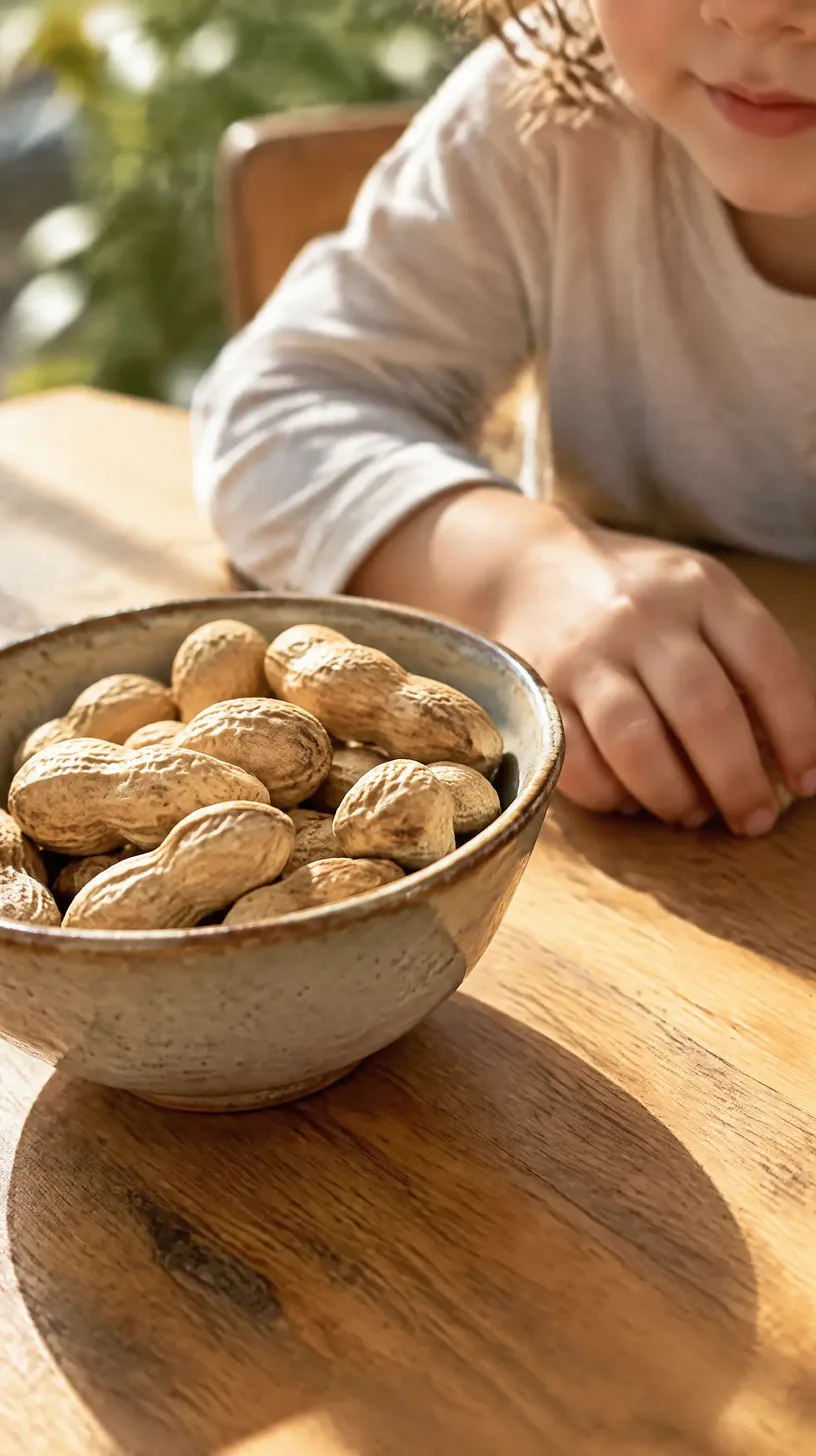
Peanuts are legumes, cousins of lentils, but their proteins resemble tree nuts closely enough that the body often reacts to both.About 2.5 percent of American children have peanut allergy, up more than 20 percent since 2010. Only about one in five outgrows it. Reactions range from a tingling mouth and hives to anaphylaxis, which requires epinephrine immediately.Trace exposure matters: a chocolate bar made on shared equipment, a cheese log with hidden nuts, a kiss after a sandwich.
Infants

Early Introduction Changed The Advice.

Delaying peanut used to be the rule. The National Institute of Allergy and Infectious Diseases now recommends the opposite for high-risk infants.Babies with severe eczema or egg allergy are at highest risk, and introducing peanut-containing foods at four to six months, after a physician evaluation and often under observation, lowers the odds of developing the allergy.Talk with your pediatrician before the first taste. Whole peanuts remain a choking hazard for toddlers regardless.
What we treat

Tree Nuts, Yes. Peanut, Ask First.

Tree nutsAlmond, walnut, cashew, hazelnut and pecan proteins can be included in the food serum alongside milk, egg, wheat and soy.
PeanutPENDING: the program has historically not treated peanut allergy with drops. Your provider will confirm whether peanut is in your serum.
Cross-reactionsMany nut reactions are oral allergy syndrome from birch pollen. Treating the pollen allergy often resolves those.
Carry Two Epinephrine Injectors · Always